Expert Tips to Rooflights
Increase Energy Efficiency With Roof Skylights: Reduce Expenses While Upgrading Your Home
Rooftop skylights provide a viable approach for property owners aiming to boost their home's energy performance. By harnessing natural light, they can considerably decrease power expenses and enhance interior comfort levels. Additionally, skylights foster a warmer and welcoming environment, complementing various architectural styles. However, selecting the right type and securing professional installation are essential for maximizing benefits. Understanding these factors can lead to informed decisions that transform a home's energy dynamics. What considerations should homeowners keep in mind?
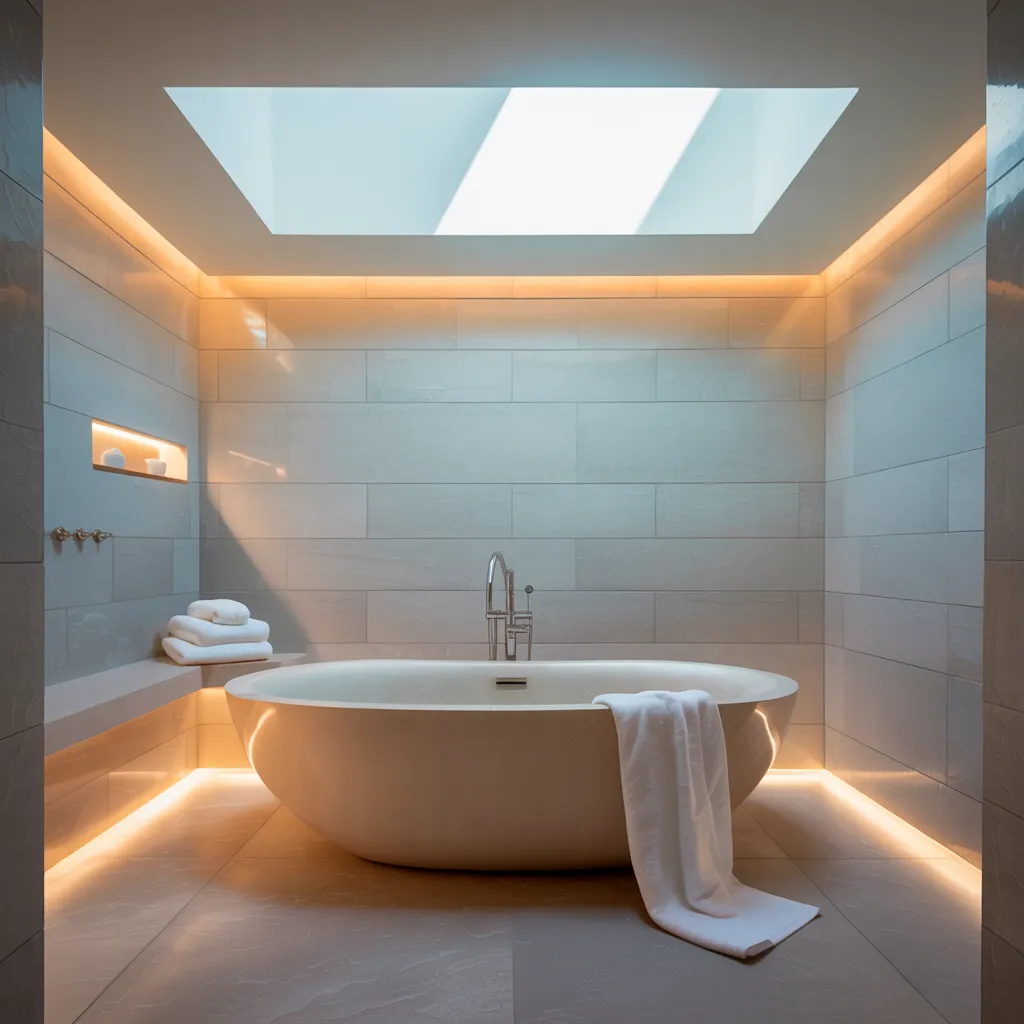
How Roof Skylights Improve Energy Efficiency and Reduce Your Expenses
Roof skylights transform spaces by harnessing natural light, thereby enhancing energy efficiency. By enabling sunlight to reach further into a residence, skylights minimize the dependence on artificial lighting throughout the day. This natural illumination not only brightens interiors but also contributes to lower electricity consumption. Moreover, most modern skylights incorporate energy-efficient glazing that prevents heat loss in winter and controls heat gain in summer. This feature helps maintain a stable indoor temperature, thus decreasing the demand for heating and cooling systems. As a result, homeowners can experience a significant reduction in energy bills. Moreover, strategically placed skylights can improve ventilation, promoting airflow and reducing humidity levels, which can also lead to energy savings. Overall, the incorporation of roof skylights represents a practical investment toward enhancing energy efficiency in residential spaces.
Skylights: Cut Energy Bills and Boost Comfort
Skylights brighten living spaces while at the same time cutting energy bills and boosting comfort. By permitting natural light to fill indoor spaces, skylights decrease dependence on artificial lighting, leading to reduced electricity usage. This not only helps achieve lower energy expenses but also fosters a healthier indoor environment, as natural light has been proven to boost mood and productivity.
Furthermore, skylights can enhance energy efficiency when expertly installed. Modern designs often include double-paned glass and heat-reflective coatings, which reduce heat loss during the colder season and decrease heat gain during summer months. This regulation of interior temperatures ensures a pleasant environment across all seasons, also lowering dependency on HVAC systems.
As energy efficiency becomes increasingly important for homeowners, skylights offer a highly practical solution. By leveraging the power of the sun, skylights function as a versatile dual-purpose addition—supporting both financial savings and a warmer, more welcoming living environment.
The Aesthetic Appeal of Roof Skylights
Although improving energy efficiency is a notable advantage, the visual charm of skylights cannot be overlooked. These architectural features reshape environments by bathing them in natural light, establishing a welcoming ambiance that artificial lighting rarely achieves. The shifting of sunlight during daylight hours imparts a vibrant dimension to interior spaces, accentuating textures and hues.
Moreover, skylights can act as breathtaking focal points, enhancing the general design of a room. They offer clear views of the sky and surrounding landscape, making spaces feel more expansive and linked to nature. Numerous designs and sizes empower homeowners to adjust skylights to their specific aesthetic preferences, whether sleek or timeless.
In the end, the inclusion of skylights not only improves the energy efficiency of a home but also enhances the visual appeal of a home, promoting a more harmonious atmosphere.
Picking the Perfect Roof Skylights for Your Home
Choosing the appropriate roofing skylights requires understanding the numerous available options and their particular benefits. Additionally, correct installation and ongoing maintenance are critical for enhancing overall efficiency and longevity. The following guide will help home occupants in navigating these key factors.
Different Types of Roof Skylights
Picking the suitable kind of roof skylight can greatly enhance both the aesthetics and energy efficiency of a property. There are various skylight types to assess. Non-opening skylights, which do not open, are perfect for maximizing the amount of natural light without ventilation needs. Opening skylights enable air circulation, helping to reduce indoor humidity and improve air quality. Tubular skylights are efficient and compact, channeling light from the roof to indoor areas, making them ideal for limited areas. When it comes to materials, glass skylights generally supply better insulation compared to plastic options, while low-e coatings can improve energy efficiency. Ultimately, choosing the right style is based on individual needs, building design, and individual energy performance targets.
Setup and Upkeep Recommendations
Incorporating roof skylights can substantially boost a home's natural illumination and energy savings, but careful consideration is vital for ideal results. Homeowners should first evaluate the roof's structure to ascertain it can support the skylight installation. Choosing the right type—fixed, vented, or tubular—depends on the desired light, ventilation, and aesthetic appeal. Strategic positioning is critical; optimally, skylights should be fitted where they can harness the most sunlight without blocking sightlines or reducing privacy.
Ongoing upkeep is just as critical. Property owners ought to examine seals and flashing for any signs of leaks, clean the glass to maintain clarity, and look for debris that could obstruct natural light. By applying these best practices, homeowners can enjoy the benefits of skylights while securing longevity and performance.
How to Set Up Your Skylights: Key Steps and Useful Tips
Setting up skylights demands careful consideration of positioning and the right instruments for the task. Identifying an optimal spot ensures maximum natural light and energy efficiency, while having critical installation tools at hand facilitates the process. This guide will describe the essential steps and tips for a smooth skylight fitting.
Selecting The Ideal Location
What is the ideal placement for skylights to maximize natural light and energy efficiency? The best placement demands careful consideration of the building's orientation and the sun's movement. Skylights facing south receive the greatest amount of sunlight, making them ideal for passive solar heating. In contrast, skylights facing north offer consistent, soft light without excessive heat buildup, ideal for spaces that require bright light without glare. It is important to steer clear of locations where obstacles such as trees or adjacent buildings might obstruct sunlight. Furthermore, installing skylights in frequently find now used spaces like kitchens and living rooms boosts natural lighting and elevates the overall ambiance. Lastly, accounting for the roof pitch and structural design ensures adequate water drainage and minimizes the risk of leaks. Strategic positioning choices will considerably improve energy efficiency and the general comfort of your living space.
Fundamental Installation Tools
Preparing oneself with the proper tools is vital for a successful skylight installation. A thorough toolkit should include a tape measure for precise measurements, a level to ensure proper alignment, and a utility knife for trimming roofing materials. Moreover, a drill with suitable bits is necessary for securing the skylight properly. Safety equipment, such as gloves and goggles, protects against potential hazards during installation. A caulking gun is important for applying sealant to prevent leaks, while a hammer and roofing nails provide a sturdy installation. Having a helper can also streamline the process, making it easier to maneuver and install the skylight. With these indispensable tools, homeowners can complete a seamless and efficient skylight installation, improving their living spaces.
Key Maintenance Tips for Durable Skylights
Preserving skylights on your roof is essential for ensuring their longevity and ideal performance. Periodic examinations should be performed to detect any possible problems, such as leaks or cracks in the frame and glazing. It is essential to clean the skylights a minimum of twice annually; this entails utilizing a gentle cloth and a mild cleaning solution to remove dirt and debris, which can block natural light and diminish visual appeal.
Moreover, checking weather stripping and seals helps prevent the infiltration of air and water, promoting overall energy performance. It is advisable to remove overhanging branches which could cause damage to skylights during severe weather. Residents should also check and clear their gutters to reduce water pooling that could harm the skylight's structure. In conclusion, turning to experts for any necessary repairs or upkeep can significantly increase the durability of the skylights, ensuring they continue to enhance both the beauty and energy efficiency of the home.

Questions We Often Receive
Can Skylights Boost Your Home's Resale Value
Skylights can enhance a home's selling price by maximizing natural light, boosting curb appeal, and appealing to energy-conscious buyers. Their capacity to establish a more appealing living space commonly positions skylight-fitted properties as more sought-after listings.
Can Skylights Reduce Reliance on Artificial Lighting?
Skylights can considerably reduce dependence on man-made lighting by letting natural sunlight brighten interior spaces. This improves the atmosphere while potentially lowering energy costs, rendering homes more welcoming and environmentally friendly over time.
How Do Skylights Impact Indoor Temperature Variations?
Skylights are effective at moderating temperature variations indoors by providing natural light and heat. On sunny days, they permit solar heat gain, while during the evening hours, they can release accumulated heat, helping create a more consistent indoor climate.
Are Tax Incentives Available for Skylight Installation?
Certainly, financial incentives for skylight installation might be offered, based on local policies and green energy programs. Homeowners are encouraged to look into potential credits or rebates that promote energy-efficient home upgrades, with skylight installations among them.
Do Skylights Improve Indoor Air Quality?
Skylights have the ability to boost indoor air quality by allowing natural ventilation and decreasing dependence on artificial lighting. This surge of fresh air and sunlight serves to lower humidity and fosters a healthier living environment overall.